




I'm a bioinformatician, working on AI-driven Digital Health and Health Informatics for both Animals and Humans. My work seeks to improve health and well-being through unlocking the potential of ubiquitous data (i.e., macro-level physiological records, wearable time-series and medical images, and micro-level genome, microbiome and spectroscopy), and cutting-edge AI techniques (i.e., predictive and interpretable machine and deep learning models). My research includes projects on human, mammals, and insects from the Americas and Eurasia.
Growing up in several cross-disciplinary projects spanning life science and engineering, I became fascinated by the idea of extending human-oriented technologies to animals, which uses diverse data streams to understand, monitor and predict health. In the meanwhile, the profound impact of COVID-19 further reinforced my awareness of the deep interconnection between human and animal health. It motivated me to embrace the One Health perspective in my work, recognizing that preventing disease in animals is an essential step toward protecting global public health.
Short bio: My current affiliation is a Postdoctoral Scholar in McArt Dairy Cow Lab at Cornell University. I completed my Ph.D. in Bioinformatics at City University of Hong Kong in Spring 2024, under the CityU–Cornell collaborative Interdisciplinary PhD program (advisors: Drs. Jun Li and Jessica McArt). Before that, I received my master's degree in Biomedical Engineering from The Chinese University of Hong Kong in 2019 (first honor), and my bachelor's degree in Biomedical Engineering from Shenzhen University in 2018.

One of my primary research programs focuses on using AI models (machine and deep learning) to improve health prediction and monitoring for an important Agricultural Animal - dairy cows. I have developed predictive models that leverage wearable sensor time-series (e.g., activity, rumination) and milk FTIR spectra to detect early signs of key health events and postpartum diseases in Holstein cows, including pregnancy loss, metritis, and mastitis. These efforts aim to support non-invasive, data-driven decision-making in dairy herd management and enhance early intervention strategies. Check our key publications:
(# equal contribution, * corresponding author)

|
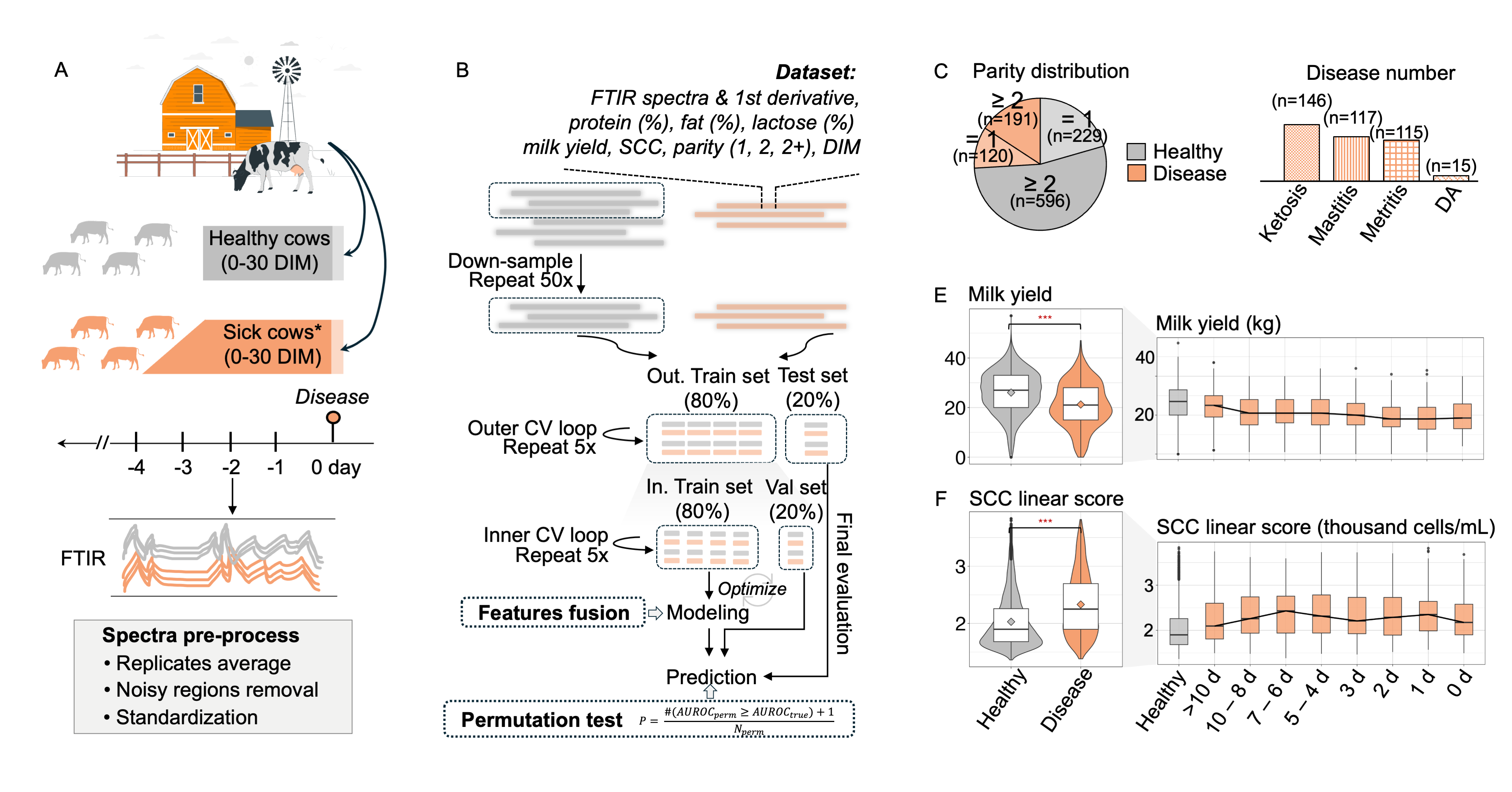
Prediction and classification of metritis and mastitis in Holstein cows using transition milk spectra under different modeling strategies Journal of Dairy Science [paper][project website] [code] [shiny app] [poster] |
|
Predicting postpartum diseases in Holstein cows using milk spectra and machine learning – retrospective assessment from diagnosis date Journal of Dairy Science [paper][project website] [code] [poster] |
|
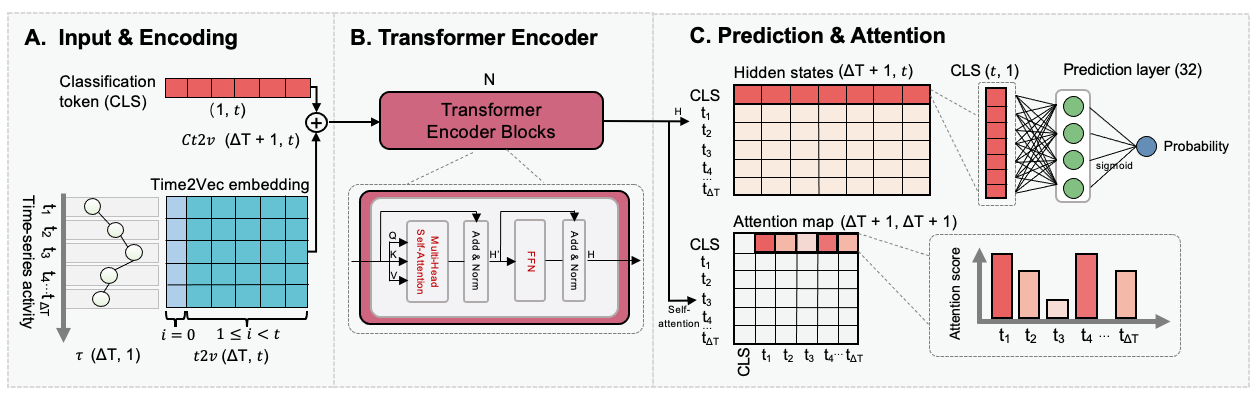
Transformer Neural Network to Predict and Interpret Pregnancy Loss from Activity Data in Holstein Dairy Cows Computers and Electronics in Agriculture [paper][code] |
Expanding AI from single-species tasks to universal multi-species health is the next frontier. To overcome the invasiveness of traditional testing, we combine non-invasive sensing with generative AI and foundation AI. I (co-)developed a chest radiography foundation model for human, and a non-invasive fecal microbiome pipeline for domestic mammals, moving beyond simple prediction to data generation and deep disease profiling. Check our key publications:
(# equal contribution, * corresponding author)

|
A Generative Foundation Model for Chest Radiography NEJM (The New England Journal of Medicine) AI [paper][code] |
|
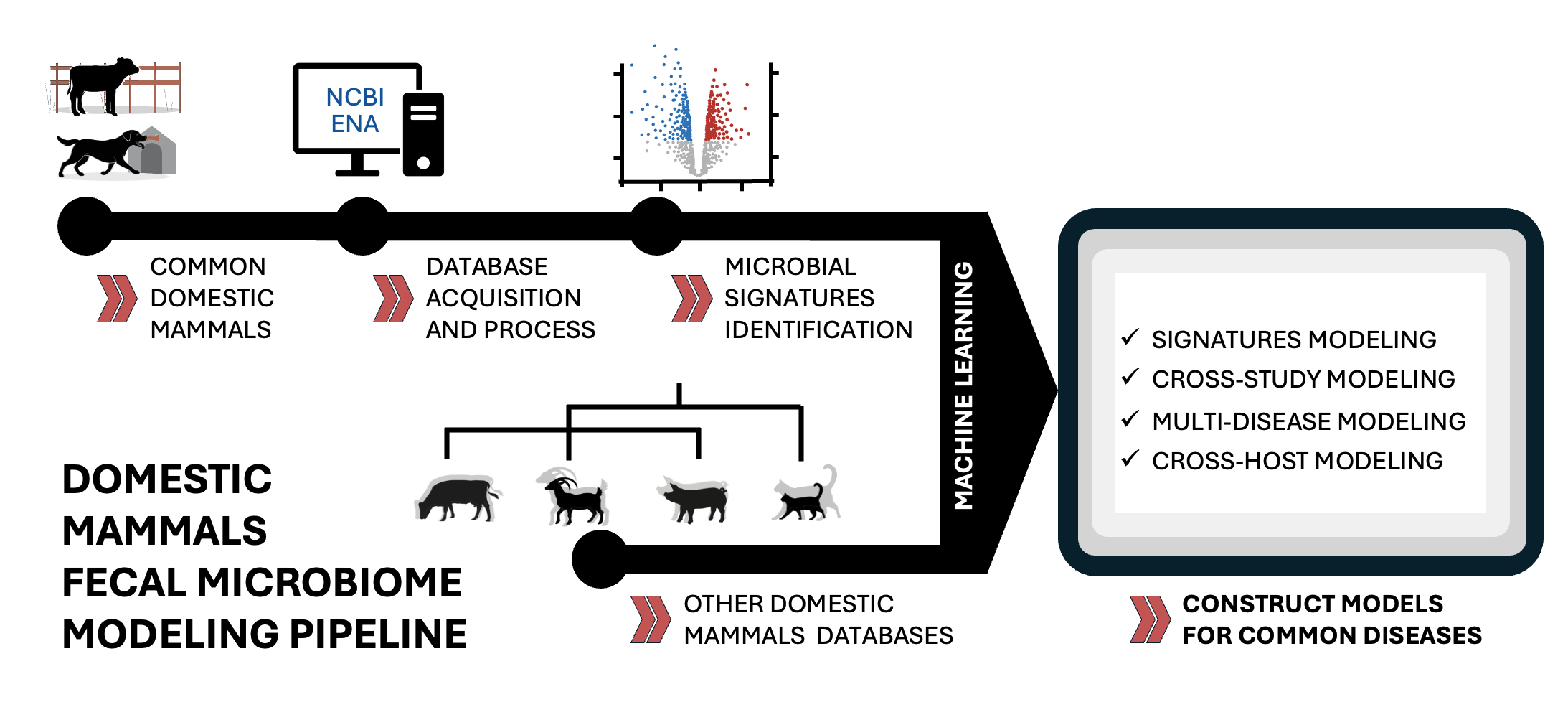
Toward diseases-associated fecal microbiome signatures for domestic mammals Communications Biology [paper][code] |
Beyond my primary focus, I have contributed to collaborative research applying bioinformatics and AI across diverse domains. These include genomic and microbiome studies on honeybee adaptation and gut health, as well as developing intelligent diagnostic tools for bone age assessment, keratoconus, and fall detection. These projects showcase my ability to leverage computational models to solve varied biological and clinical problems. Check our key publications:
(# equal contribution, * corresponding author)
|
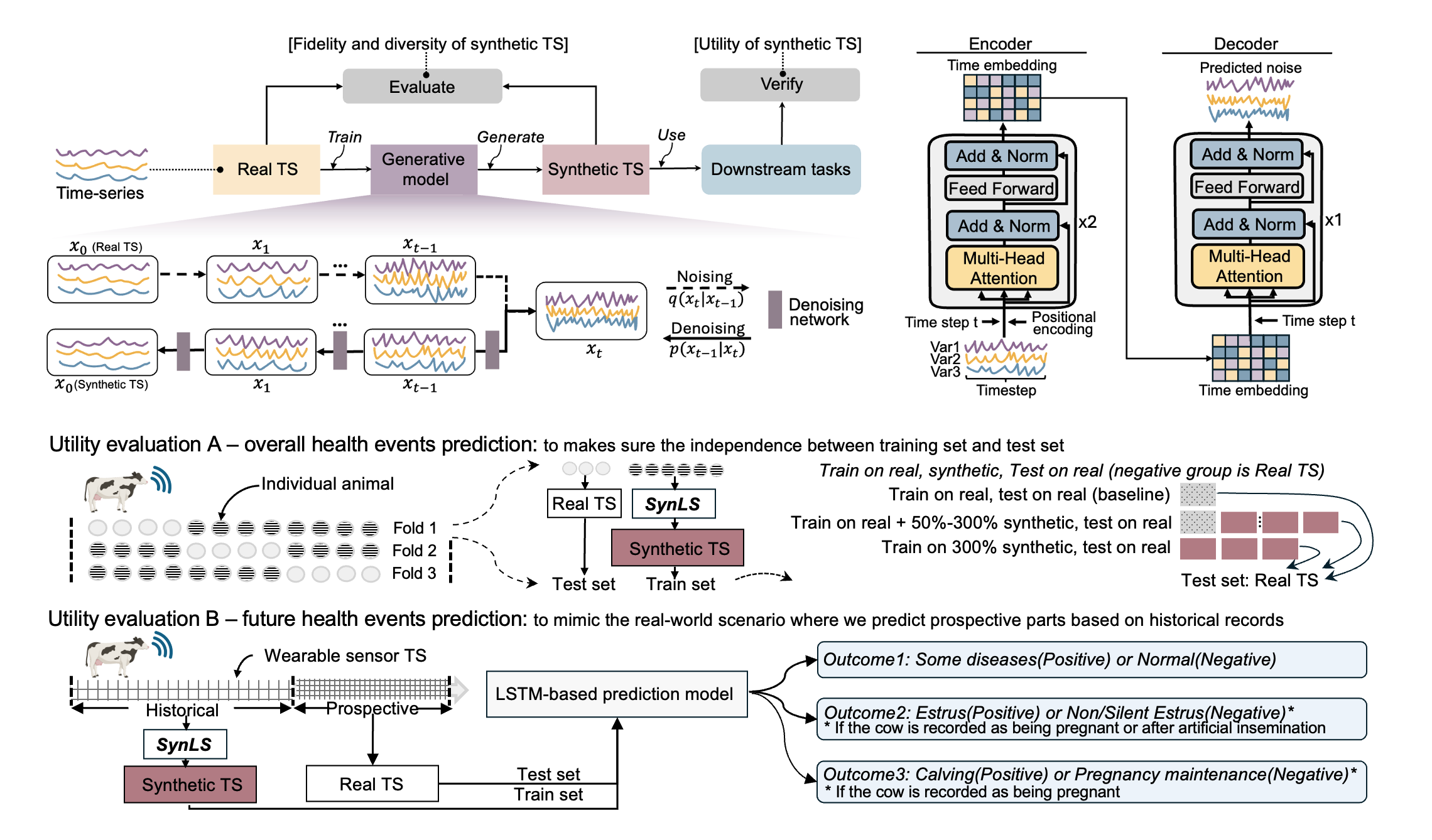
Generating synthetic wearable sensor data for livestock health monitoring with diffusion-transformer Computers and Electronics in Agriculture [In submission] |
|
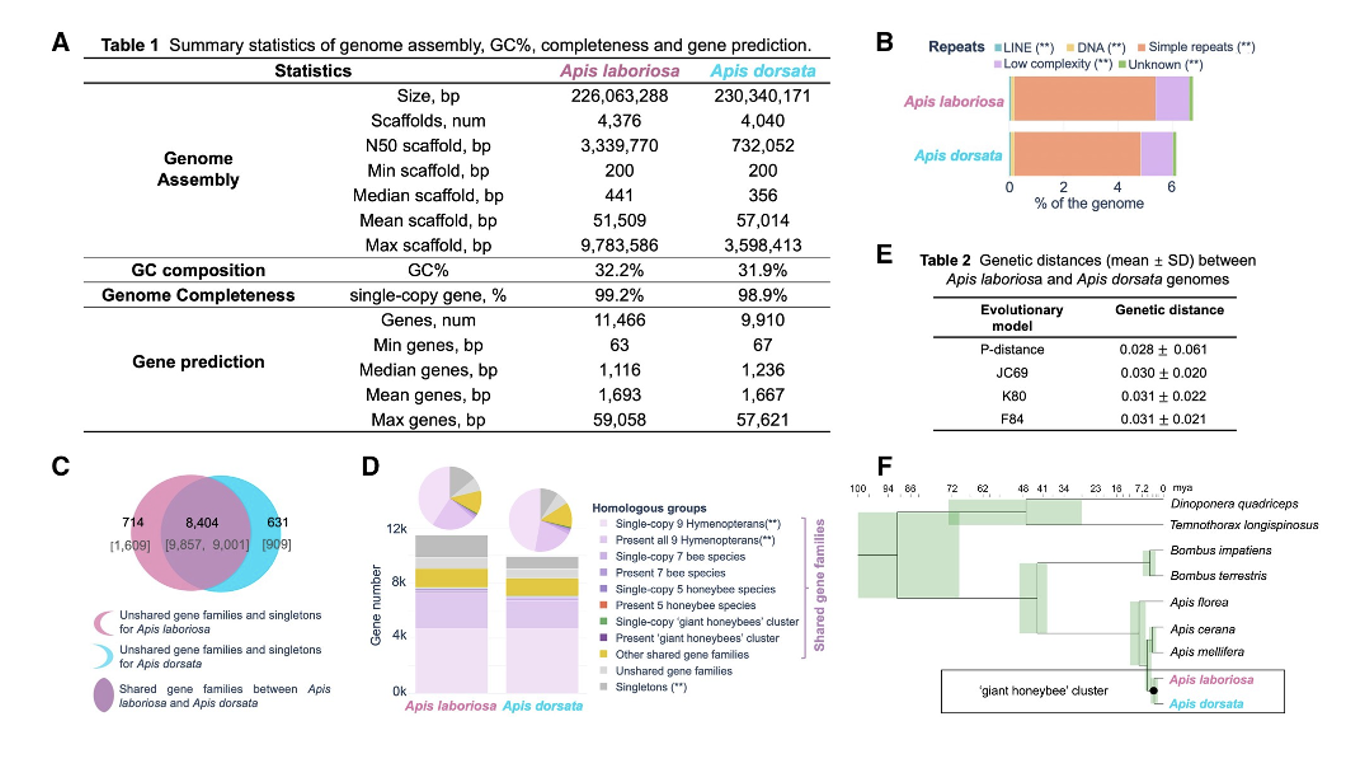
Comparative Genomics Reveals Recent Adaptive Evolution in Himalayan Giant Honeybee Apis laboriosa Genome Biology and Evolution [paper][supplemental files][code] |

|
Treatment with mixed probiotics induced enhanced and diversified modulation of the gut microbiome of healthy rats FEMS Microbiology Ecology [paper] |

|
Theabrownin-induced Bifidobacterium pseudolongum enrichment mitigates experimental colitis in mice mSystems [In revision] |
|
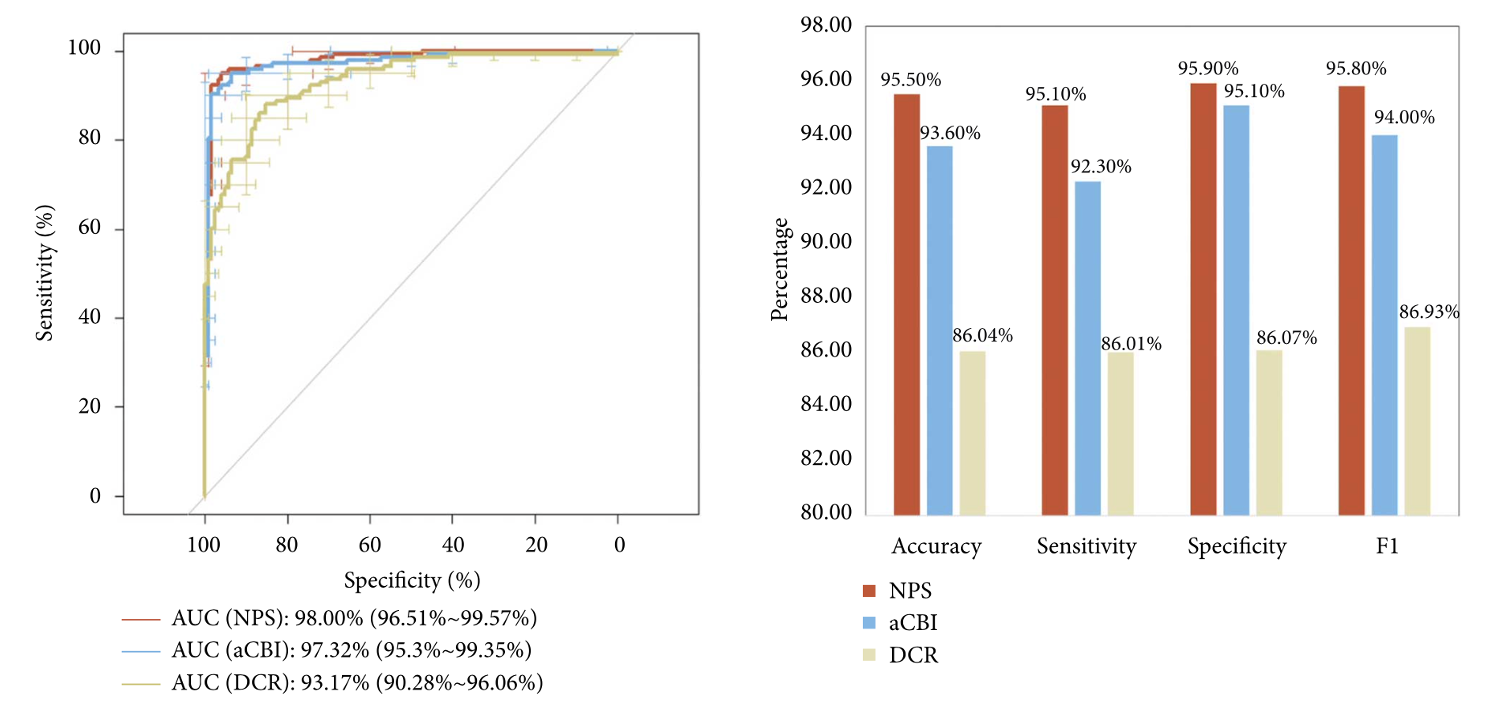
Keratoconus Diagnosis: Validation of a Novel Parameter Set Derived from IOP-Matched Scenario Journal of Ophthalmology [paper] |

|
PRSNet : Part Relation and Selection Network for Bone Age Assessment MICCAI 2019 [paper] |

|
Pre-impact Alarm System for Fall Detection Using MEMS Sensors and HMM-based SVM Classifier In 2018 40th Annual International Conference of the IEEE EMBC [paper] |
Preventive Veterinary Medicine, BMC Bioinformatics, Journal of Dairy Science, Frontiers in Animal Science, Computers and Electronics in Agriculture